
Thinking about selling a house in Calgary? The fastest path usually starts with the right price, not a costly renovation. A free home evaluation, focused staging and strong launch plan can help a home compete in a changing market.
This seller’s guide covers timing, pricing, preparation, marketing, offers, paperwork and possession. DreamHouse Realty can also provide a free home evaluation before any sale plan is set.
Step 1: Assess Calgary Market Conditions and Decide When to Sell
To sell a house in Calgary well, first check what buyers are doing in the home’s exact segment. Detached homes in communities such as Mahogany, Seton, Evanston, Tuscany and Silverado may behave differently from apartments in Beltline, Mission or Downtown West.
A market evaluation should focus on recent sales, active competition and where the home fits. Price is the biggest lever in a sale, so aim for a price that creates week-one demand.
That difference matters. A condo seller may need sharper pricing and stronger listing media. A detached-home seller may have more room to test demand, but overpricing can still cost the first week on market.

Compare the Home With Its Real Competition
Look at recent sold homes first. Then review active listings that buyers can choose today. A home that is similar in size but sits in a different school catchment, backing onto a busy road or lacking a garage may not be a true comparable.
Check the home’s position within its local market:
- Detached, semi-detached, row or apartment.
- Inner-city, established suburb or newer community.
- Move-in ready or in need of repair.
- Owner-occupied, tenanted or vacant.
- Typical buyer profile for the area.
In Calgary, that local view can include neighbourhoods such as Altadore, Marda Loop, Inglewood, Bridgeland, Bowness, Signal Hill, Lakeview, Auburn Bay, Cranston, Redstone and Livingston. Nearby markets also need separate review. Cochrane communities such as Fireside, Sunset Ridge, Heartland, Heritage Hills and Rivercrest do not share the same buyer pool as Airdrie areas such as Sagewood, Bayside, Williamstown, Cooper’s Crossing or Kings Heights.
Chestermere adds another distinct choice set. Sellers there may compete with homes in West Creek, Rainbow Falls, Lakeside Greens, Kinniburgh and Chelsea. The right launch date depends less on a broad city headline and more on the homes a buyer will compare beside yours.
Sell Now or Wait?
Waiting can make sense when a seller needs time for legal paperwork, a move or a small repair. It can also create risk. Future interest rates, inventory and buyer demand are not guaranteed.
A simple decision test helps:
- Sell now if the home is ready and the next move is clear.
- Prepare first if the property needs a report, clean-up or small repairs.
- Wait only when the expected benefit is specific and worth the carrying cost.
DreamHouse Realty’s free evaluation gives sellers a starting point based on recent comparable sales, neighbourhood trends, demand and current inventory. It is also useful for owners who are still six or twelve months away from listing.
Step 2: Price Your Calgary Home Using Comparable Sales and Local Data
Pricing is the main lever when a seller wants to sell a house in Calgary without losing early buyer interest. The goal is not the highest number written on paper. It is the price that makes qualified buyers act during the first week.
Start with a market evaluation. Assess recent sales, active competition, and where your home fits to set a pricing strategy. Expired and withdrawn listings can reveal prices that failed to attract a buyer.
Use Comparable Sales With Care
A useful comparable should match the property in several ways. Location matters first. Then compare lot size, finished area, bedroom count, bathroom layout, parking, age, condition and upgrades.
A renovated kitchen can help a home compete. It does not automatically add the full renovation cost to the sale price. A basement suite, legal status, lot orientation or backing onto green space may affect value in a way that a basic online calculator misses.
Online estimates can provide a rough starting point. They cannot inspect the home or judge its presentation. Sellers should ask how each comparable was chosen and what adjustments were made.
Price for the Market, Not the Seller’s Investment
Past purchase price, renovation cost and emotional value do not set today’s market price. Buyers compare the home with alternatives they can see now.
Suppose two similar homes sit in Cranston. One is clean, bright and priced close to recent sales. The other has a higher list price because the owner spent heavily on a basement bathroom. The first home may attract more viewings, while the second waits for a buyer willing to pay for an upgrade that does not matter much to that buyer.
Overpricing can lead to fewer showings, weak feedback and later price cuts. A price reduction also tells buyers that the first strategy missed the market. DreamHouse Realty can prepare a free home evaluation and explain the pricing range before a listing agreement is signed.
Owners planning a purchase after the sale should also review financing early. A clear estimate of the next home’s cost can make the sale decision less emotional. Information about best mortgage rates in Calgary may help sellers understand the wider move-up budget.
Step 3: Prepare, Stage and Photograph the Property for Maximum Appeal
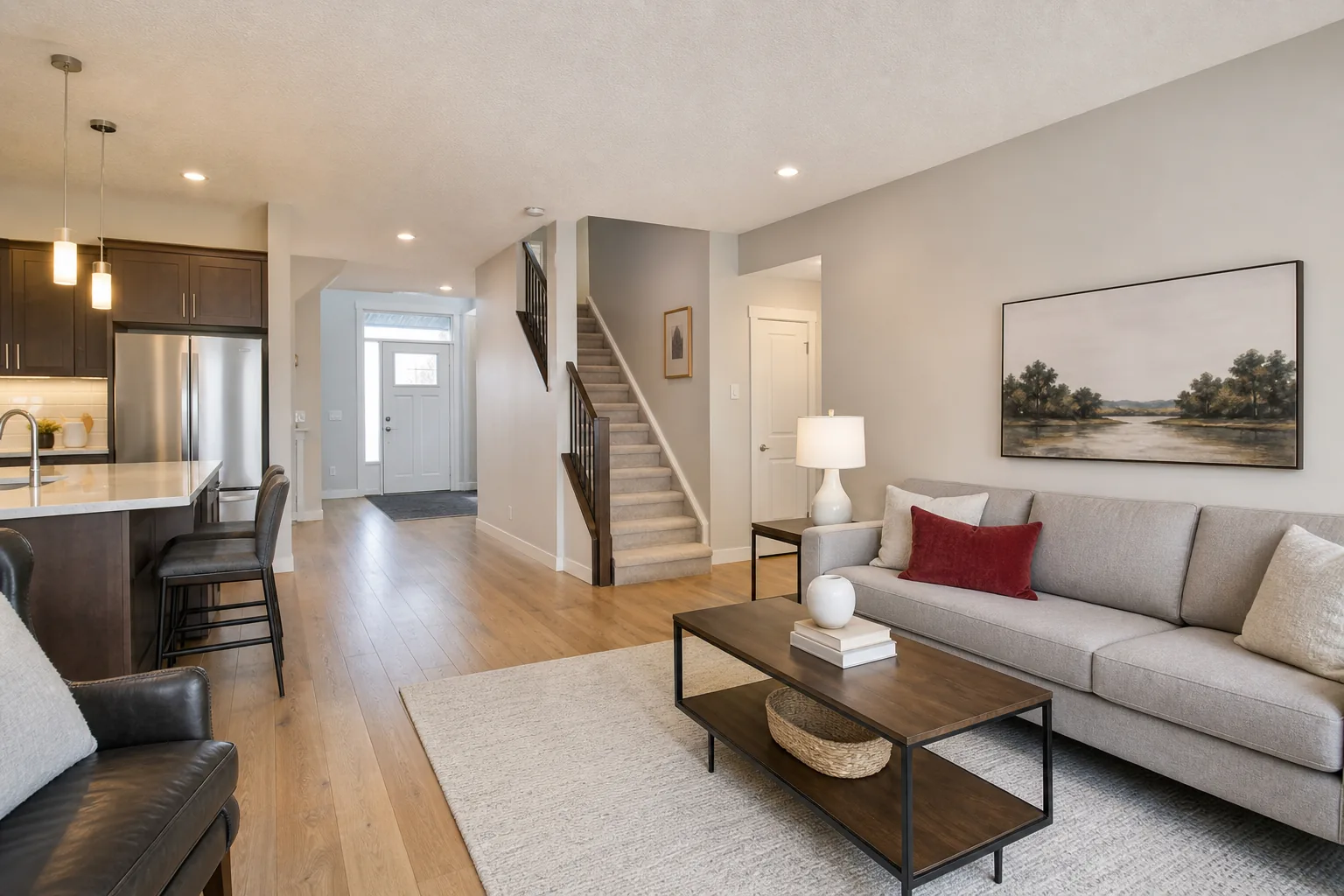
Preparation should make the home easy to understand. Buyers need to see the room size, storage, light and likely daily use without sorting through clutter.
Start the Real Property Report early. Preparation often includes a title review, RPR, disclosure work, staging, photography and measurements. Ordering the RPR late can delay closing when a buyer is already committed.
Spend the Staging Budget Where Buyers Look
Focus first on the kitchen, primary bedroom, main living space and front-view area. These rooms shape the first impression in photos and showings.
- Clear counters, bathroom vanities, windowsills and fridge tops.
- Remove excess furniture so walk paths feel open.
- Take down most family photos, trophies and personal displays.
- Keep enough furniture to show scale and function.
- Replace dim or mismatched bulbs with consistent light.
- Clean windows and improve the front entry before photography.
Lighting is often cheaper than a major renovation. A bright room can show its size more clearly, while a dark room may look smaller online. Outdoor work also matters in Calgary. Seasonal lawn care, a clean walkway and a tidy front step can change the first photo buyers see.
A professional stager can spot issues that owners no longer notice. The best time to involve one is before repairs or furniture changes begin. That avoids spending money on a room that has little effect on the final presentation.
Do Not Renovate on Autopilot
Small repairs can remove buyer concern. Fix a dripping tap, loose handle, damaged trim or burned-out light. Paint may help when walls are marked or colours are hard to live with.
Large projects need a stricter test. Ask whether the work will improve the home’s position against nearby listings. A dated basement bathroom may feel urgent to the owner, yet it may not return the cost or shorten the sale.
Photography should happen after the home is staged. Professional images need to show rooms accurately. A floor plan or virtual tour may help buyers judge layout before booking a showing, especially when an out-of-province buyer is moving to Calgary.
Listing media should show useful local context without making claims that the property cannot support.
Step 4: Launch the Listing and Manage Showings, Marketing and Feedback
A Calgary home gets one first launch. The listing should be ready before it goes live, because early buyers may have search alerts set for the area and price range.
DreamHouse Realty’s selling service combines professional photography, listing exposure, digital advertising, social media promotion and negotiation support. The aim is to place the home in front of qualified buyers, not simply to publish a listing and wait.
Build a Clear Listing Package
The description should answer the questions buyers ask before booking:
- What is the home’s layout?
- Which upgrades are recent?
- How does parking work?
- What storage and outdoor space are included?
- Are there condo fees, restrictions or tenant details?
- What is close by in the community?
Use plain facts. Avoid claims such as “best location” unless the listing explains why. A home in McKenzie Towne may appeal to one buyer because of its community design. A home in Kensington may appeal to another because of its inner-city setting. The listing should describe the actual features.
Make Showings Easy
Flexible showing times can protect the first week of exposure. Buyers often group several homes into one trip. If a property cannot be shown, it may be removed from the route.
Before each showing, secure valuables and sensitive documents. Put pets away. Keep rooms at a comfortable temperature. Remove strong smells rather than masking them.
Feedback should be recorded in a consistent way. Ask whether the price felt fair, whether the home showed well and what stopped the buyer from writing. One comment is only a comment. A pattern across several showings is a pricing or presentation signal.
Marketing can include listing exposure, social media, video, email and targeted digital ads. A virtual tour can help distant buyers narrow their list. It should support the photos, not hide defects through unusual angles.
If there are few showings, review the price and the first photo before changing the whole plan. If there are showings but no offers, inspect condition, layout concerns and buyer feedback. A clear adjustment is better than random changes.
Step 5: Compare Your Selling Options and Evaluate Every Offer
Sellers can use a REALTOR®, sell privately or consider a cash offer. The right choice depends on the home, the seller’s time and the amount of work the owner can manage.
| Selling route | May suit | Main work to plan for | Key decision |
|---|---|---|---|
| Full-service REALTOR® | Sellers who want help across the sale | Review the service plan and agreement | Does the marketing and negotiation plan fit the home? |
| Private sale | Owners who can manage buyer contact | Pricing, media, showings and paperwork | Can the owner reach enough qualified buyers? |
| Cash offer | Sellers who value speed or an as-is sale | Verify funds and review conditions | Is certainty worth a possible price difference? |
| Limited listing service | Owners seeking a narrower service | Confirm which tasks remain with the seller | Who handles showings, negotiation and documents? |
Cash Offers Need a Net Proceeds Check
A cash buyer does not need mortgage financing, so the deal may close with fewer financing risks. The offer may also allow an as-is sale and reduce the need for repairs or repeated showings.
Speed has a trade-off. Some cash buyers price below what a fully marketed home might attract. Sellers should compare the net amount after fees, repairs avoided, carrying costs and the value of a faster move.
Ask for proof of funds before treating the offer as firm. Review the purchase contract with a lawyer. A quick closing is useful only when the buyer can complete it.
Judge the Whole Offer
The highest price is not always the strongest offer. Compare:
- Price and deposit.
- Financing and inspection conditions.
- Requested inclusions, such as appliances or window coverings.
- Possession date and flexibility.
- Buyer’s ability to waive conditions.
- Risk of delay or a failed deal.
A financed offer with a higher price may still be attractive if the buyer has solid financing and a reasonable condition period. A cash offer with a lower price may win when timing is the seller’s main concern.
DreamHouse Realty can help compare the terms and estimate likely net proceeds. Sellers who are also buying should keep both transactions aligned, especially when moving from Calgary to Cochrane, Airdrie, Chestermere or another Alberta community.
Step 6: Complete Conditions, Legal Paperwork, Closing and Possession
Once an offer is accepted, the sale moves into a paperwork phase. The REALTOR® manages the transaction process and communication. The lawyer handles the legal transfer, registration and funds.
Track Conditions and Deadlines
Write every deadline on one shared calendar. Common conditions may involve financing, inspection, document review or the sale of another property. The buyer must waive or satisfy conditions before the deal becomes firm.
Do not assume a verbal promise changes the contract. Any agreed change should be written and signed. Keep copies of the offer, amendments, disclosure forms and repair receipts.
Prepare Alberta Sale Documents Early
The paperwork may include:
- Real Property Report.
- Land title information.
- Disclosure of Material Latent Defects.
- Release of Dower Rights when applicable.
- Transfer of Land prepared through the lawyer.
The RPR shows the relationship between buildings and property lines. If it is missing, old or does not reflect changes, the seller should ask about options early. A deck, garage, fence or addition can create questions close to possession.
The lawyer also checks title, receives sale funds, pays out the mortgage and completes the transfer. The REALTOR® does not replace that legal role. Sellers should choose a lawyer before the accepted offer creates a tight deadline.
Plan Move-Out and Possession
Possession is the handoff point. The home should be empty unless the contract says otherwise. Leave agreed inclusions, keys, remotes and access details. Keep utilities active until the required date.
Around closing, the lawyer coordinates funds and registration. The contract sets the exact possession time. Sellers should not assume that moving out early changes the legal handoff.
Most sales can move from listing to closing within roughly 30 to 60 days when the home is ready and the transaction stays on track. The timeline can be longer when the seller needs an RPR, the buyer has several conditions or the possession date is far away.
For sellers who need a coordinated move, DreamHouse Realty provides guidance from the home evaluation through marketing, negotiation and closing. Guriqbal Chahal, Real Estate Broker, can discuss the home’s likely price range and sale plan through DreamHouse Realty, including a free evaluation before listing.
Frequently Asked Questions
How long does it take to sell a house in Calgary?
A Calgary home often takes about 30 to 60 days from listing to closing when preparation is complete and conditions move on time. The market segment, price, buyer financing and possession date all affect the schedule. A home may receive an offer quickly but still need several weeks before legal closing.
What is the best way to price my Calgary home?
The best method is a local comparison of recent sold homes, active competition and the property’s condition. Online estimates can miss upgrades, layout issues and exact neighbourhood differences. A free home evaluation from DreamHouse Realty can help set a realistic range before photography, marketing and showings begin.
Should I renovate before selling my house in Calgary?
Only renovate when the work addresses a clear buyer concern or helps the home compete with nearby listings. Cleaning, lighting, paint and small repairs often make more sense than a large project. Low-impact work, such as updating a basement bathroom without a clear market reason, may not return its cost.
Can I sell my Calgary home without a REALTOR®?
Yes, an owner can sell privately, but the owner must manage pricing, marketing, buyer questions, showings, negotiations and paperwork coordination. A private sale may reduce service costs, yet it also limits the owner’s time and reach. A REALTOR® can provide listing exposure, structured feedback and negotiation support.
Are cash offers better when selling a Calgary house?
Cash offers can be better when speed, an as-is sale or lower financing risk matters most. They are not always better on price. Sellers should verify proof of funds, compare conditions and calculate net proceeds. A financed offer may produce more money, while a cash offer may provide greater certainty.
What paperwork is needed to sell a house in Alberta?
Alberta sales may require a Real Property Report, land title information, defect disclosures, dower-right documents when applicable and a Transfer of Land. The REALTOR® helps collect transaction information, while the lawyer completes the legal transfer and funds process. Early document review can prevent a closing delay.
{“@context”:”https://schema.org”,”@type”:”FAQPage”,”mainEntity”:[{“@type”:”Question”,”name”:”How long does it take to sell a house in Calgary?”,”acceptedAnswer”:{“@type”:”Answer”,”text”:”A Calgary home often takes about 30 to 60 days from listing to closing when preparation is complete and conditions move on time.”}},{“@type”:”Question”,”name”:”What is the best way to price my Calgary home?”,”acceptedAnswer”:{“@type”:”Answer”,”text”:”The best method is a local comparison of recent sold homes, active competition and the property’s condition.”}},{“@type”:”Question”,”name”:”Should I renovate before selling my Calgary house?”,”acceptedAnswer”:{“@type”:”Answer”,”text”:”Only renovate when the work addresses a clear buyer concern or helps the home compete with nearby listings.”}},{“@type”:”Question”,”name”:”Can I sell my Calgary home without a REALTOR®?”,”acceptedAnswer”:{“@type”:”Answer”,”text”:”Yes, an owner can sell privately, but the owner must manage pricing, marketing, buyer questions, showings, negotiations and paperwork coordination.”}},{“@type”:”Question”,”name”:”Are cash offers better when selling a Calgary house?”,”acceptedAnswer”:{“@type”:”Answer”,”text”:”Cash offers can be better when speed, an as-is sale or lower financing risk matters most, but they are not always better on price.”}}]}
Conclusion
The strongest Calgary sale plan starts with an accurate evaluation, targeted preparation and a price built around current competition. Sellers should request a free home evaluation from DreamHouse Realty, review the recommended changes and set a launch date only after the home and paperwork are ready. Guriqbal Chahal, Real Estate Broker, can help sellers plan the next step and decide whether listing, private sale or a cash offer fits the situation.