Alberta real estate moves fast and the rules change often. Below is a step‑by‑step guide that covers what’s happening now, where to buy, how first‑timers can succeed, how to sell for top price, and what investors should watch before closing.
What Is Happening in Alberta Real Estate in 2026?
Home prices in Calgary, Edmonton and the surrounding towns have risen modestly this year, but inventory stays tight. The market leans toward sellers because buyers compete for a limited number of listings. A key source of delay is the Real Property Report (RPR). An outdated RPR can stop a sale for weeks, even if the buyer has already secured financing. Most brokers now ask sellers to order a fresh RPR as soon as the offer is accepted.
First‑time buyers often miss the 7‑10‑day condition period that lets them back out without penalty. Skipping that window can lead to legal costs. The typical checklist contains 49 steps, but only about half list the exact documents needed. That gap catches many newcomers off guard. Alberta does not charge a provincial land-transfer tax, which can help keep closing costs low compared with other provinces.
DreamHouse Realty helps clients keep the paperwork on track. Their team coordinates the RPR, title search and lawyer paperwork so buyers avoid the most common roadblocks.
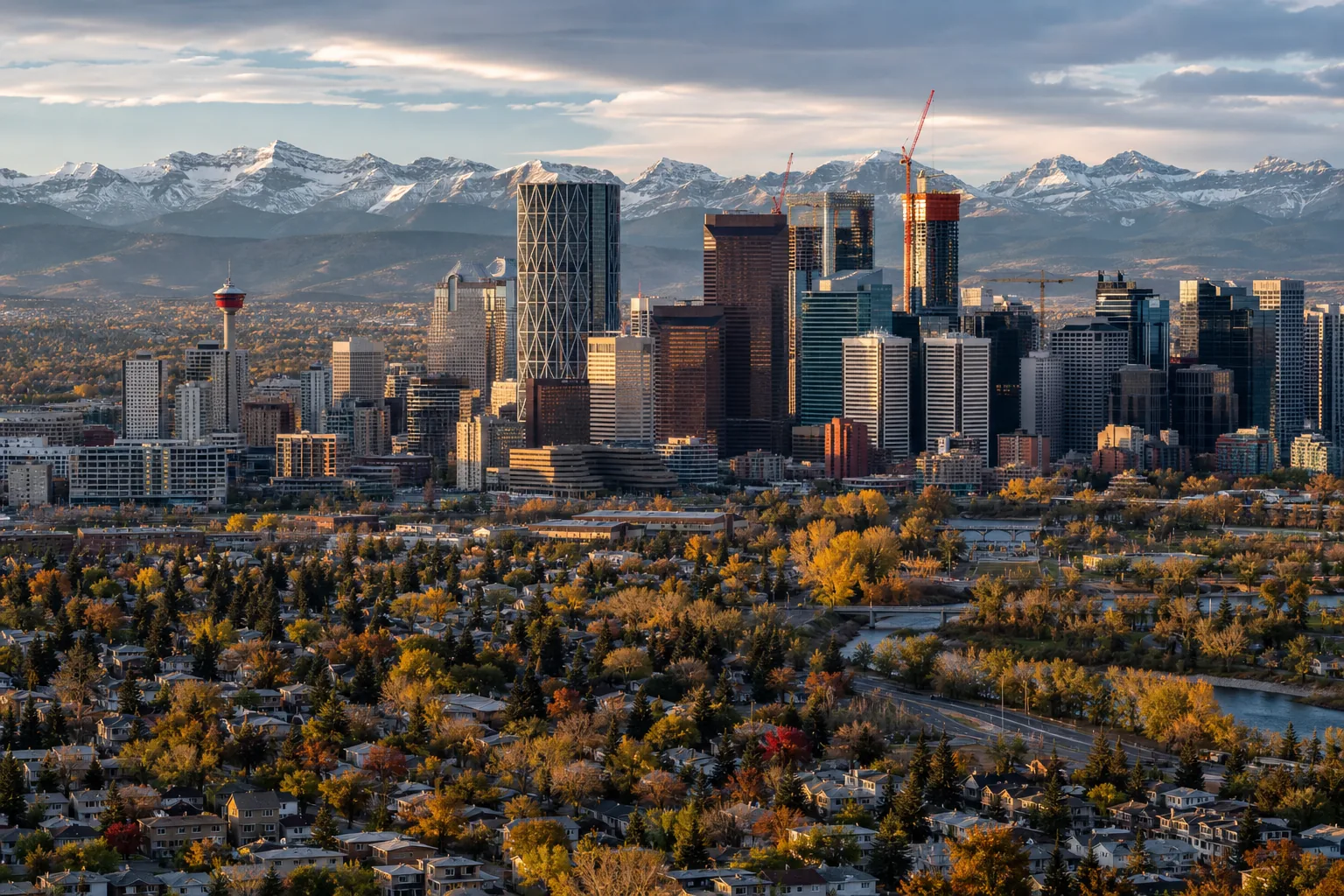
Where Should You Buy in Alberta? Calgary, Cochrane, Airdrie or Chestermere
Each community offers a different mix of price, lifestyle and growth potential.
Calgary’s market is competitive. Move‑in‑ready homes sit at the top of the price band, while fixer‑uppers may offer a lower price point. A cosmetic fixer‑upper needs paint, flooring and a kitchen refresh, work a handy DIYer can finish on weekends. A mechanical fixer‑upper may have an old furnace or wiring that needs a licensed contractor. The deeper the repair list, the larger the discount, but also the higher the risk. Buyers comparing current Calgary real estate market conditions can use recent comparable sales and neighbourhood trends to assess whether a property is fairly priced.
In Cochrane, newer subdivisions offer family‑size homes with easy access to the Bow River trail system. Airdrie’s growth is driven by affordable new‑construction projects near the Stoney Trail ring road. Chestermere’s lake‑side neighbourhoods, such as Lakeside and Eagle Ridge, attract retirees and those who enjoy water sports.
DreamHouse Realty’s local agents can review current listings for each area and match you with the right price point.
How Can First-Time Buyers Purchase Alberta Real Estate with Confidence?
First‑time buyers should treat the process like a checklist. Missing a single item can cause a costly delay.
Step 1, Get a free home evaluation from a trusted brokerage. DreamHouse Realty offers a no‑obligation assessment that pulls recent comparable sales and neighbourhood trends.
Step 2, Hire a qualified real‑estate lawyer early. The lawyer prepares the Statement of Adjustments, verifies title and reviews the RPR. A reputable lawyer will keep the closing timeline tight.
Step 3, Order the Real Property Report before you sign the purchase agreement. An up‑to‑date RPR protects you from hidden encroachments and satisfies most buyer‑condition clauses.
Step 4, Arrange a home inspection. Even if the seller offers a “as‑is” price, an inspector can uncover hidden issues like outdated wiring or foundation cracks.
Step 5, Budget for closing costs. In Alberta, total closing costs average 1‑2 % of the purchase price, with the exact amount depending on the home and transaction. Include lawyer fees, title insurance and the RPR fee in your cash‑reserve plan.
Following these steps keeps you from the common mistake of waiving the condition period too early. Buyers who are ready to compare neighbourhoods, property types and financing options can begin with DreamHouse Realty’s guidance on buying a home in Calgary, Cochrane and nearby communities.
How Do You Sell a Home in Alberta for Its Best Market Position?
Getting the right price starts with preparation.
First, clean and declutter every room. A tidy home looks larger in photos and on‑site tours. Minor repairs, leaky faucets, cracked tiles, loose handles, cost little but improve buyer perception.
Second, invest in professional photography. High‑resolution images draw more clicks on listing platforms and encourage more showings in the first two weeks.
Third, set a price that matches recent comparable sales. DreamHouse Realty’s agents review recent comparable sales in your neighbourhood. Overpricing leads to stale listings; underpricing leaves money on the table.
When you list, the property is promoted through available listing channels. Your agent will coordinate showings, collect feedback and adjust marketing if needed. In a hot market, a well‑priced home can receive multiple offers within days.
If you get several offers, your agent can help you compare terms, price, possession date, and any buyer conditions. Most offers include a financing condition and an inspection condition. Knowing how to negotiate repairs or credits can protect your profit margin.
Once the buyer removes all conditions, the contract becomes firm. Your lawyer then handles title transfer, mortgage discharge and the final Statement of Adjustments. The net proceeds are released after all adjustments are settled.
DreamHouse Realty guides sellers through every stage, from staging advice to closing day coordination.
What Should Investors and Rural Buyers Check Before Closing?
Rural transactions bring extra layers of due diligence.
Check the land‑use zoning for the parcel. Rural residential zones allow a single home and limited outbuildings, while agricultural zones require larger acreage and have stricter setback rules. County bylaws spell out the exact requirements.
Ask for a current Real Property Report. The RPR shows boundaries, easements and any encroachments that could affect future development.
Verify water sources. Most rural homes rely on wells. A professional water test checks bacteria, minerals and flow rate. If the well fails, remediation can be costly.
Inspect the septic system. Older systems may need replacement, especially if the property houses livestock or a large family. A septic inspection reveals capacity and condition.
Confirm utility access. Natural gas is common near towns; remote parcels often need propane tanks. Electric service may be limited, so factor in generator or solar options.
Finally, review any overlay districts, flood hazard, environmental protection or heritage overlays can add approval steps. Investors comparing rental income, operating costs and long-term appreciation should also review DreamHouse Realty’s investment and rental property strategies for Alberta before committing capital.
DreamHouse Realty’s rural specialists can connect you with surveyors, well testers and septic experts to keep the closing on schedule.

Which Alberta Real Estate Professionals and Documents Help Protect Your Decision?
Three professionals are essential for a smooth transaction.
1. A licensed REALTOR®, DreamHouse Realty’s agents know local market nuances, can pull accurate CMA data and negotiate offers with confidence.
2. A real‑estate lawyer, The lawyer prepares the purchase agreement, reviews the RPR, handles title transfer and ensures all statutory disclosures are met.
3. A land surveyor, The surveyor produces the RPR, confirming boundaries and identifying easements that could affect future use.
Key documents to collect:
- Real Property Report (RPR)
- Title search report
- Land use bylaw confirmation
- Inspection reports (home, well, septic)
- Statement of Adjustments
Keeping these items organized in a shared folder reduces the chance of missing a deadline. DreamHouse Realty offers a client portal where all paperwork can be uploaded securely.
Frequently Asked Questions About Alberta Real Estate
What is the typical timeline for a home purchase in Alberta?
Most purchases close within 30‑45 days after an offer is accepted, assuming the buyer meets the financing condition and the RPR is up to date.
Do I need a Real Property Report when buying a home?
Yes. An up‑to‑date RPR is required for most residential transactions and helps avoid boundary disputes later.
How much should I budget for closing costs?
Closing costs in Alberta average 1‑2 % of the purchase price and vary based on the transaction details.
Can I sell my home without a real‑estate agent?
You can, but most sellers miss out on professional pricing, listing exposure and negotiation expertise that agents provide.
Are there any government grants for first‑time buyers?
Alberta does not offer a province‑wide cash grant, but some federal support options may remain available.
What should I look for in a rural property’s water system?
Test the well for bacterial contamination, mineral content and flow rate. A professional test can reveal issues before you sign.
Key Takeaway: Proper paperwork and local expertise keep Alberta real‑estate deals on track.
Conclusion
DreamHouse Realty is the trusted partner for buying, selling or investing in Alberta real estate. Reach out today to get a free home evaluation and start moving forward with confidence.