
Cost of living in Calgary Guide
Calgary’s cost‑of‑living snapshot shows housing can soak up three‑quarters of a typical budget, while basics like utilities stay under $200 a month. Below is a deep look at every major expense bucket and usable ways to stretch your dollars.
Housing Costs in Calgary
Rent dominates the picture in cost of living in Calgary. A one‑bedroom apartment in the city centre averages C$1,379 per month, while the same size outside the core comes in around C$1,134. Larger families feel the pinch too; a three‑bedroom unit in the centre costs about C$2,104, and a suburban three‑bedroom drops to C$1,759. These numbers come from multiple 2026 market trackers and set the baseline for any budget.
Below is a quick reference table that pulls the key rent figures together.
Beyond rent, utilities and internet add to the monthly expenses. That’s a fraction of the rent bill, but it still matters for tight budgets.
Calgary’s market has stayed relatively stable. In 2011 the total shelter cost was C$1,338 per month, almost the same as today’s one‑bedroom city‑centre average. Recent shelter data confirms the modest shift, suggesting that while incomes have risen, core housing costs haven’t ballooned.
For newcomers who need help handling these numbers, DreamHouse Realty offers a free home‑value evaluation and personalised budgeting advice. Their local market knowledge can turn a vague budget into a concrete buying plan. See the Relocation Assistance Service for a step‑by‑step guide to moving into the right neighbourhood.
Transportation & Utilities Expenses
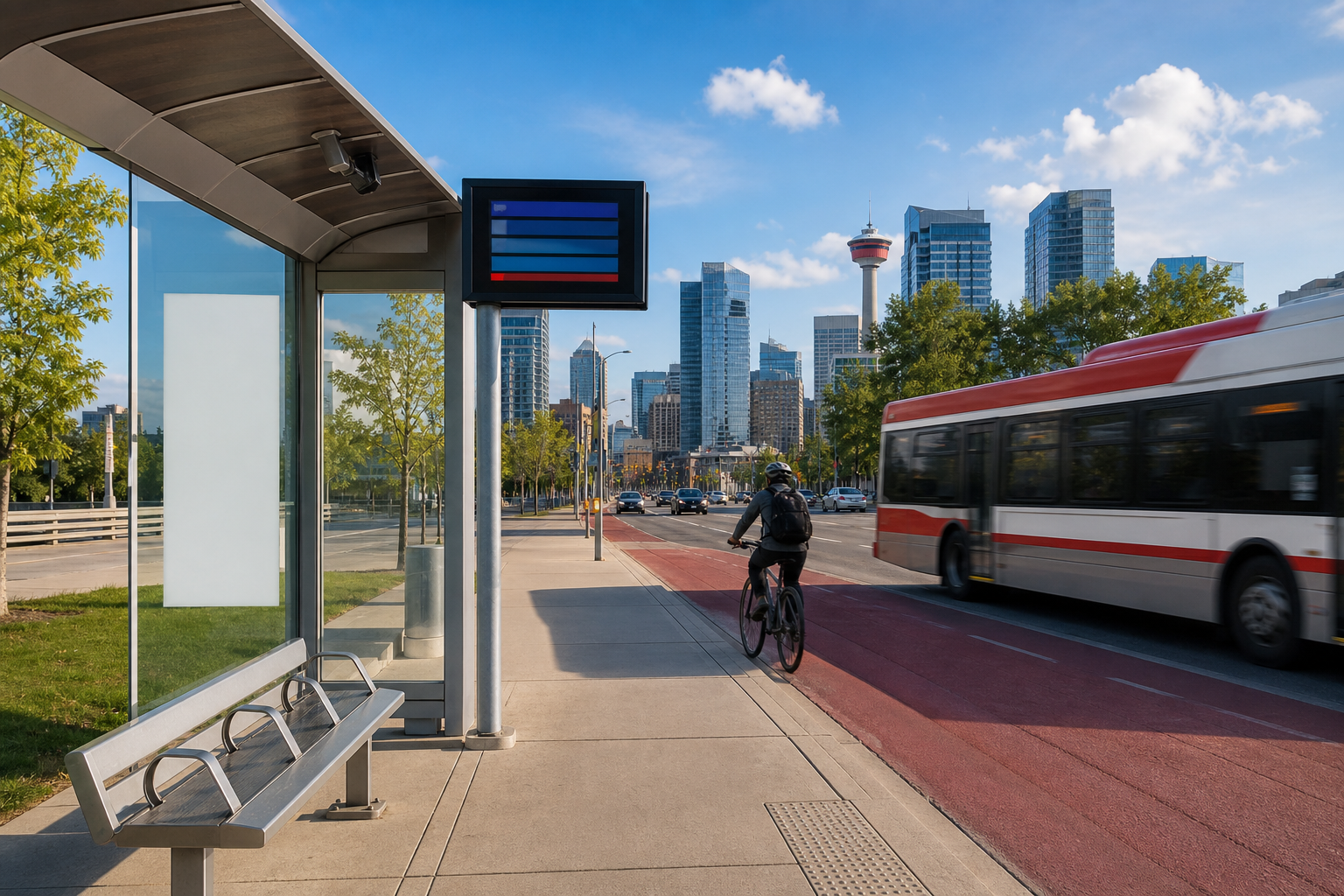
Getting around and keeping the lights on costs far less than rent. A standard adult monthly transit pass is C$93, while senior or low‑income passes are offered at a reduced rate. Those passes cover the C‑Train, buses, and a few regional routes.
Internet plans sit around C$61 a month for a basic unlimited package, and most households can live comfortably with this tier.
Combined, transit and internet average about C$150 per month. Adding electricity, heating, water and garbage brings the total utility cost to a modest amount, keeping overall expenses manageable.
For a broader look at public‑transit pricing, official Calgary Transit resources break down fare structures and service coverage.
When you factor in occasional car‑share rides or occasional Uber trips, the transportation budget can still stay well below C$300 for most residents.
Food and Grocery Budgeting
Groceries for a single person run about C$350 each month. That figure covers basics like milk, bread, meat, and fresh produce. If you shop at bulk retailers or use discount apps, you can trim that amount.
Dining out is optional but not cheap. A typical mid‑range dinner can be relatively pricey per person, while fast‑food meals are more affordable. Planning meals ahead and cooking at home can keep food costs well under a high monthly total.
Alberta has no provincial sales tax on groceries, which saves a few dollars compared to provinces with a 5% PST. That helps keep the grocery bill lighter than in places like Ontario.
For families, child‑specific items like diapers and baby food add additional costs, so a modest family of four might budget a higher amount for food alone.
Smart shoppers use loyalty programs at major chains, buy seasonal produce, and freeze leftovers. Those habits can shave a few hundred dollars off an annual grocery bill.
Healthcare, Insurance, and Childcare Costs
Canada offers universal health coverage, so basic doctor visits and hospital stays are covered. However, dental, vision and prescription drugs usually require private insurance or out‑of‑pocket payments.
Average private dental insurance for an adult costs about C$50 per month, while a family plan can climb to C$120. Vision plans sit near C$30 for a couple.
Prescription drug coverage varies. Many employers include a drug plan that covers 70‑80% of medication costs. If you’re self‑employed, a personal drug plan might cost C$60‑C$90 per month.
Childcare is a bigger line item. Licensed daycare centres charge roughly C$1,200 per month for a full‑time spot. Larger families often blend daycare with after‑school programs to manage costs.
Choosing a health‑saver plan through an employer, or bundling dental and vision with a single insurer, can reduce administrative hassle and save a few dollars each month.
Saving Strategies and Financial Planning with DreamHouse Realty
Because housing eats up most of the budget, the smartest move is to lock in a mortgage rate that matches your cash flow. DreamHouse Mortgage’s calculators let you see exactly how much you can afford before you start house hunting.
Step one: Get a pre‑approval. That tells sellers you’re ready and helps you avoid over‑extending. Step two: Compare lenders. DreamHouse Mortgage works with a network of banks to find the lowest rate for your profile.
Step three: Factor in all hidden costs , moving fees, utility setup, and a security deposit that can equal one month’s rent. Adding those into your spreadsheet prevents surprise shortfalls.
If you already own a home, consider a home‑equity line of credit to fund renovations instead of a high‑interest personal loan. That can keep your overall debt ratio healthier.
DreamHouse Realty also publishes neighbourhood‑specific price trends. Check the Calgary Average House Price 2026 guide to see which suburbs offer the best value per square foot.
Finally, keep an eye on the Best Schools in Calgary rankings if you have kids. Proximity to a top school can boost resale value and reduce commute times, indirectly saving you money.
FAQ
What is the average monthly cost of living in Calgary?
The average single‑person monthly expense varies based on housing, transportation, groceries, and health costs, and can be estimated using local cost‑of‑living tools.
How much does a one‑bedroom apartment cost in the city centre?
A one‑bedroom unit in downtown Calgary averages C$1,379 per month in 2026.
Is public transit affordable for students?
Yes, students can access a discounted monthly U‑Pass, which provides unlimited rides on the CTrain and buses at a reduced rate.
Do I need private health insurance in Calgary?
Basic medical care is covered by the public system, but dental, vision and many prescription drugs require private insurance or out‑of‑pocket payment.
How can I lower my grocery bill?
Shop at bulk retailers, use loyalty apps, buy seasonal produce, and plan meals ahead to keep grocery spending low for a single adult.
Where can I find reliable mortgage rate information?
DreamHouse Mortgage’s online calculators and their network of lenders provide up‑to‑date rate data and personalized quotes.
Conclusion
Housing drives the cost of living in Calgary, so start with a solid mortgage pre‑approval and use DreamHouse Realty’s neighbourhood guides to target affordable areas. Then map out your monthly transit, grocery and health expenses, and you’ll have a realistic budget you can stick to.